[골프존뉴딘그룹 Global News] Wall Street Journal 보도 – 스크린골프, 골프의 미래가 될 것인가 (180303)
안녕하세요. 골프존 글로벌사업본부입니다.
지난 3일, 美 유수매체인 Wall Street Journal (WSJ)에 골프존을 필두로 한 한국 스크린골프 문화에 대한 기사가 지면 보도되었습니다.
해당 기사에서는 한국 스크린골프가 미국 골프의 미래가 될 수 있다는 화두를 던지고 있습니다.
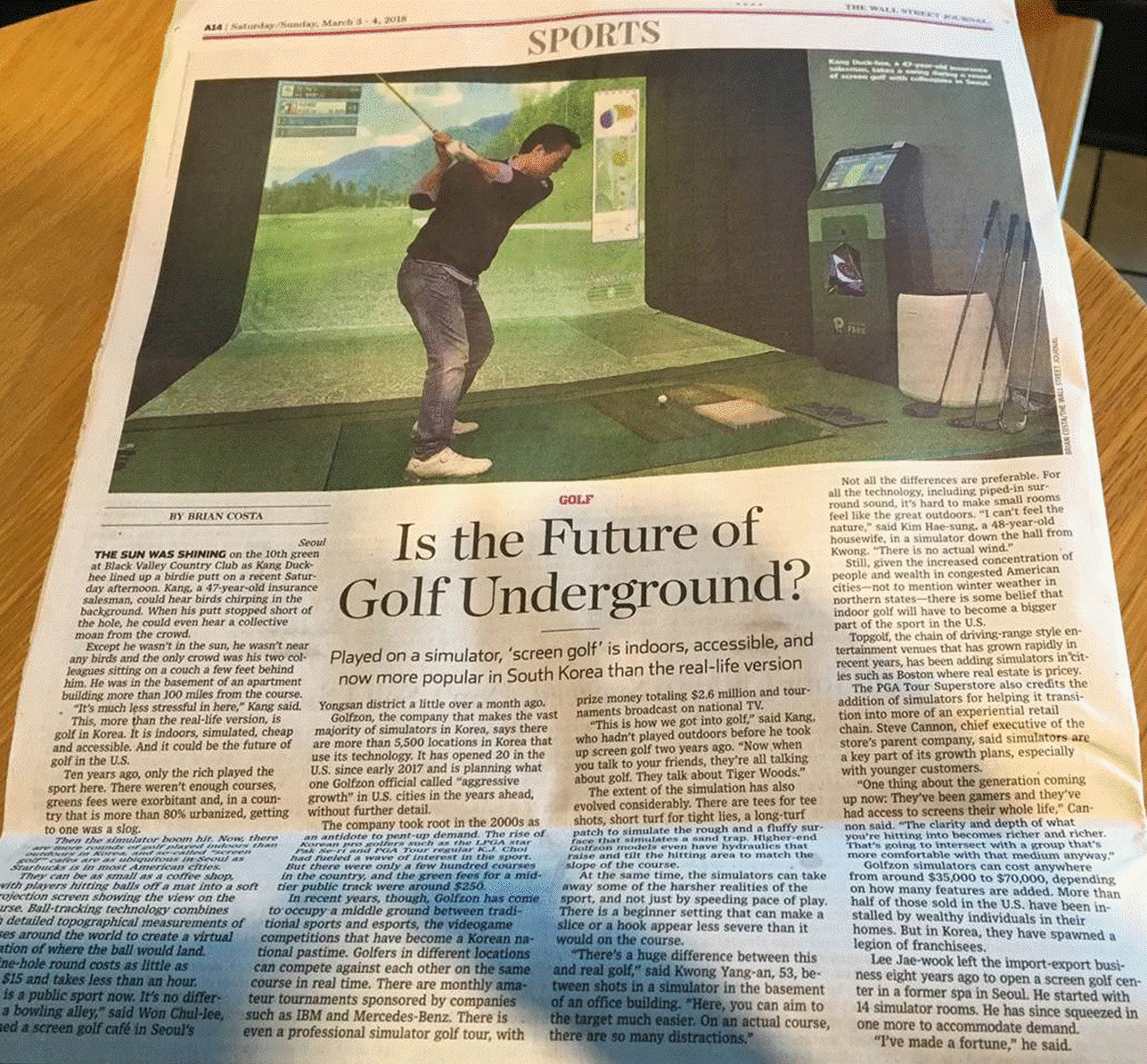
스크린골프가 골프의 미래가 될 것인가? 골프 시뮬레이터를 통해 실내에서 즐기는 “스크린골프“는 저렴하고, 접근성이 뛰어나 한국에서는 필드골프보다도 훨씬 대중적이다.
(사진설명: 보험 설계사 강덕희 씨(47)는 두 명의 동료와 함께 스크린 골프를 즐기고 있다.) 지난 토요일 오후, 보험 설계사인 강덕희 씨(47)는 햇살이 비치는 Black Valley CC의 10번 홀에서 버디 퍼팅을 앞두고 있다. 새들이 지저귀는 소리가 배경으로 들리고, 그의 퍼팅이 홀 직전에 멈춰서자 스크린 화면에서는 관중들의 탄식 소리가 흘러나왔다. 강 씨는 햇살 아래 있지도 않았고, 그 어떤 새도 그의 주변에 있지 않았으며, 관중이라곤 바로 뒤 쇼파에 앉아있는 그의 두 명의 동료가 다였다. 강 씨는 Black Valley CC에서 160km 이상 떨어진 건물의 지하에 있었다. “스크린골프는 스트레스가 덜 합니다.” 강 씨가 말했다. 한국에서는 필드골프보다 스크린골프가 훨씬 대중적이다. 실내에서 즐기는 시뮬레이션 골프는 저렴하고, 접근성이 뛰어나다. 이는 미국 골프의 미래가 될 수 있다. 10년 전, 한국에서 골프는 부자들만 향유하는 스포츠였다. 골프장은 충분치 않았고, 그린피는 엄청났다. 도시화 수준이 80% 이상 되는 나라에서 골프장을 간다는 것은 아주 힘든 일이었다. 그러자 “스크린골프” 열풍이 전국을 덮쳤다. 이제 한국에서는 필드골프보다 훨씬 많은 라운드가 “스크린골프“를 통해 이뤄지고 있다. 한국에서 스크린골프방은 미국에서의 스타벅스처럼 어디에나 있다.
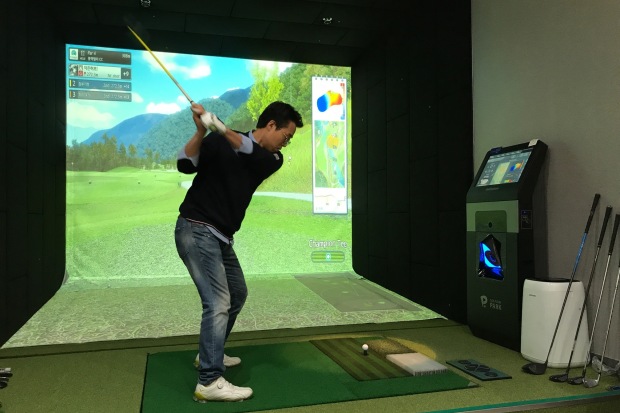
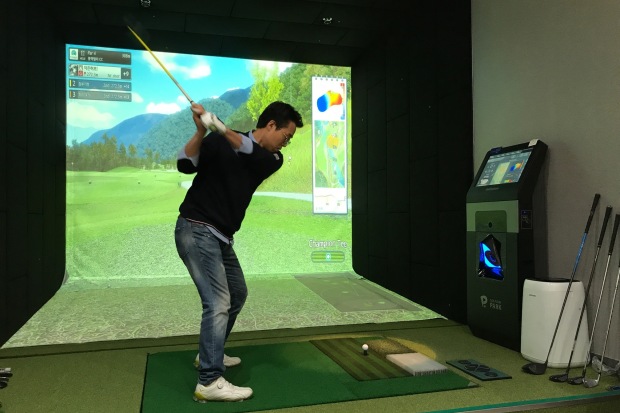
(사진설명: 한 골퍼가 한국 내 5,000개가 넘는 스크린골프 매장 중 한 곳에서 골프존 시뮬레이터로 골프를 즐기고 있다.) 스크린골프 매장은 커피숍만큼이나 작을 수 있다. 플레이어는 스크린 화면을 향해 매트에서 볼을 날리고, 스크린 화면은 코스 뷰를 보여준다. 볼트래킹 기술은 전세계 코스의 상세 지형 측정과 결합해, 날아간 볼이 착륙할 위치에 대한 가상 시뮬레이션이 이뤄진다. 9홀 라운드는 약 15달러 정도로, 1시간이 채 걸리지 않는다. “이제 스크린골프는 대중 스포츠입니다. 볼링장과 다를 게 없어요.” 한 달 전 서울 용산에 스크린골프 매장을 연 이원철 대표가 말했다. 한국의 스크린골프 업계를 이끄는 골프존은 한국에만 5,500개가 넘는 매장을 보유하고 있다. 지난 2017년 초부터 미국 내 20개 매장을 오픈했고, 향후 몇 년간 다양한 도시에서 “공격적인 성장“을 계획하고 있다. 골프존은 2000년대 억압된 수요에 대한 해결책으로 뿌리를 내렸다. LPGA 스타 박세리 선수와 PGA 최경주 선수의 활약은 전국민적인 골프에 대한 관심을 불러 일으켰다. 그러나 한국의 골프장 수는 불과 수백 개에 불과했고, 중산층을 위한 퍼블릭 골프장의 그린피는 약 250달러에 달했다. 이에 따라 골프존은 최근 몇 년간 전통적인 스포츠와 전국민적인 여가문화가 된 비디오게임 대회인 e스포츠의 중간 영역을 차지하게 되었다. 서로 다른 지역에 있는 골퍼들은 같은 코스에서 실시간으로 경쟁을 벌이는가 하면 IBM, 메르세데스 벤츠와 같은 회사들이 후원하는 월간 아마추어 토너먼트가 열리기도 한다. 총 상금 260만 달러 규모의 TV 생중계되는 전문 시뮬레이션 골프 투어도 있다. “스크린골프는 우리가 골프에 빠지게 된 계기입니다.” 강 씨가 말했다. 그는 스크린골프에 빠지기 전인 불과 2년 전만 해도 필드골프를 한 번도 경험해보지 못 했다. “이제 친구들과 대화할 때 골프 얘기가 빠질 수 없죠. 이제는 친구들과 타이거 우즈를 이야기합니다.” 시뮬레이션의 범위 또한 상당히 발전해왔다. 티샷을 위한 골프티, 타이트 라이를 위한 짧은 잔디, 러프를 나타내는 긴 잔디와 모래 벙커를 나타내는 보송보송한 매트도 있다. 고급형 골프존 시뮬레이터 모델에는 코스의 경사면과 일치하도록 타격 영역을 높이거나 낮추는 유압장치도 있다. 동시에 시뮬레이터는 경기 속도에 영향을 끼치지 않고도 실제 경기에서의 까다로운 현실요소들을 일부 제거할 수도 있다. 초보자 모드는 슬라이스나 훅 구질을 실제보다 덜하도록 조정할 수 있다. “아무래도 스크린골프와 필드골프에는 큰 차이가 있어요.” 스크린골프의 샷을 날리며, 권양안 씨(53)가 말했다. “스크린골프에서는 목표 지점을 훨씬 쉽게 조준할 수 있는 반면 실제 필드에 나가면 많은 방해 요인들이 있죠.” 물론 이러한 차이점들이 모두 선호되진 않는다. 스크린에서 흘러나오는 배경음을 비롯한 모든 기술들이 스크린골프방을 필드의 멋진 야외 분위기로 만드는 것은 쉽지 않다. “자연을 느끼기는 쉽지 않아요.” 권 씨로부터 차례를 넘겨받은 주부 김혜성 씨(48)가 말했다. “스크린골프에는 실제 바람은 없으니까요.” 그러나 혼잡한 미국 도시에서 사람과 부의 집중이 점점 심화됨으로 보아–북부 지역의 겨울 날씨는 말할 것도 없고– 실내 골프가 미국 스포츠에서 더 큰 부분을 차지해야 한다는 믿음이 있다. 최근 급속도로 성장한 드라이빙 레인지 스타일의 체인형 오락장소인 Topgolf는 부동산 가격이 비싼 보스턴 같은 도시까지 진출했다. PGA 투어 슈퍼스토어 역시 체험형 소매 체인으로 전환하는 데에 시뮬레이터를 활용하고 있다. 스토어 모회사의 스티브 캐넌 최고 경영자는 시뮬레이터가 특히 젊은 고객층과 함께 성장계획의 핵심이라고 밝혔다. 이어 “다가올 세대에 대한 한 가지 분명한 사실은 그들은 인생 내내 게임을 즐겨왔으며, 스크린이 익숙하다는 것“이라고 말했다. 골프존 시뮬레이터는 추가 옵션에 따라 약 3만 5천 달러에서 7만 달러 정도 한다. 미국에서 판매된 절반 이상의 시뮬레이터들은 부유한 가정집에 설치되었다. 반면 한국에서는 사업 매장에 설치됐다. 이재욱 씨는 8 년 전 무역업을 그만두고, 서울에서 스크린골프 매장을 운영하고 있다. 14개의 방으로 시작했던 이 씨는 몰려드는 수요를 맞추기 위해 방 1개를 더 증축하려고 하고 있다. “많이 벌었죠.” 그가 말했다. |
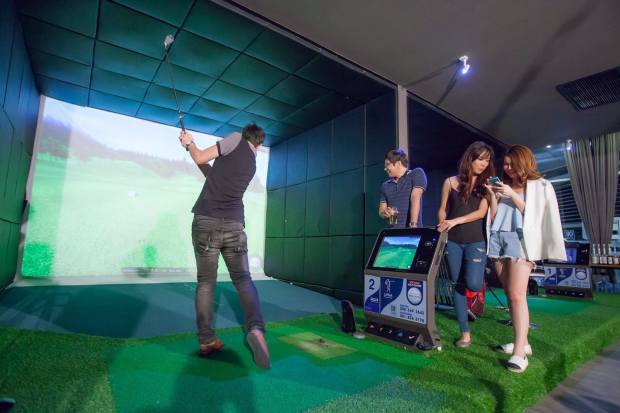
Is the Future of Golf in a Dimly Lit Basement? Played on a simulator, “screen golf” is indoors, cheap, accessible, and is now more popular in South Korea than the real-life version
Kang Duck-hee, a 47-year-old insurance salesman, takes a swing during a round of screen golf with two colleagues in Seoul. The sun was shining on the 10th green at Black Valley Country Club as Kang Duck-hee lined up a birdie putt on a recent Saturday afternoon. Kang, a 47-year-old insurance salesman, could hear birds chirping in the background. When his putt stopped short of the hole, he could even hear a collective moan from the crowd. Except he wasn’t in the sun, he wasn’t near any birds and the only crowd was his two colleagues sitting on a couch a few feet behind him. He was in the basement of an apartment building more than 100 miles from the course. “It’s much less stressful in here,” Kang said. This, more than the real-life version, is golf in Korea. It is indoors, simulated, cheap and accessible. And it could be the future of golf in the U.S. Ten years ago, only the rich played the sport here. There weren’t enough courses, greens fees were exorbitant and, in a country that is more than 80% urbanized, getting to one was a slog. Then the simulator boom hit. Now, there are more rounds of golf played indoors than outdoors in Korea, and “screen golf” cafes are as ubiquitous in Seoul as Starbucks is in most American cities.
At left, a golfer hits into a screen at one of the more than 5,000 facilities in South Korea with Golfzon simulator They can be as small as a coffee shop, with players hitting balls off a mat into a soft projection screen showing the view on the course. Ball-tracking technology combines with detailed topographical measurements of courses around the world to create a virtual simulation of where the ball would land. A nine-hole round costs as little as around $15 and takes less than an hour. “This is a public sport now. It’s no different than a bowling alley,” said Won Chul-lee, who opened a screen golf café in Seoul’s Yongsan district a little over a month ago. Golfzon, the company that makes the vast majority of simulators in Korea, says there are more than 5,500 locations in Korea that use its technology. It has opened 20 in the U.S. since early 2017 and is planning what one Golfzon official called “aggressive growth” in U.S. cities in the years ahead, without further detail. The company took root in the 2000s as an antidote to pent-up demand. The rise of Korean pro golfers such as the LPGA star Pak Se-ri and PGA Tour regular K.J. Choi had fueled a wave of interest in the sport. But there were only a few hundred courses in the country, and the green fees for a mid-tier public track were around $250. In recent years, though, Golfzon has come to occupy a middle ground between traditional sports and esports, the videogame competitions that have become a Korean national pastime. Golfers in different locations can compete against each other on the same course in real time. There are monthly amateur tournaments sponsored by companies such as IBM and Mercedes-Benz. There is even a professional simulator golf tour, with prize money totaling $2.6 million and tournaments broadcast on national TV. “This is how we got into golf,” said Kang, who hadn’t played outdoors before he took up screen golf two years ago. “Now when you talk to your friends, they’re all talking about golf. They talk about Tiger Woods.” The extent of the simulation has also evolved considerably. There are tees for tee shots, short turf for tight lies, a long-turf patch to simulate the rough and a fluffy surface that simulates a sand trap. Higher-end Golfzon models even have hydraulics that raise and tilt the hitting area to match the slope of the course. At the same time, the simulators can take away some of the harsher realities of the sport, and not just by speeding pace of play. There is a beginner setting that can make a slice or a hook appear less severe than it would on the course. “There’s a huge difference between this and real golf,” said Kwong Yang-an, 53, between shots in a simulator in the basement of an office building. “Here, you can aim to the target much easier. On an actual course, there are so many distractions.” Not all the differences are preferable. For all the technology, including piped-in surround sound, it’s hard to make small rooms feel like the great outdoors. “I can’t feel the nature,” said Kim Hae-sung, a 48-year-old housewife, in a simulator down the hall from Kwong. “There is no actual wind.” Still, given the increased concentration of people and wealth in congested American cities—not to mention winter weather in northern states—there is some belief that indoor golf will have to become a bigger part of the sport in the U.S. Topgolf, the chain of driving-range style entertainment venues that has grown rapidly in recent years, has been adding simulators in cities such as Boston where real estate is pricey. The PGA Tour Superstore also credits the addition of simulators for helping it transition into more of an experiential retail chain. Steve Cannon, chief executive of the store’s parent company, said simulators are a key part of its growth plans, especially with younger customers. “One thing about the generation coming up now: They’ve been gamers and they’ve had access to screens their whole life,” Cannon said. “The clarity and depth of what you’re hitting into becomes richer and richer. That’s going to intersect with a group that’s more comfortable with that medium anyway.” Golfzon simulators can cost anywhere from around $35,000 to $70,000, depending on how many features are added. More than half of those sold in the U.S. have been installed by wealthy individuals in their homes. But in Korea, they have spawned a legion of franchisees. Le Jae-wook left the import-export business eight years ago to open a screen golf center in a former spa in Seoul. He started with 14 simulator rooms. He has since squeezed in one more to accommodate demand. “I’ve made a fortune,” he said. Write to Brian Costa at brian.costa@wsj.com |
연관 콘텐츠