[골프존뉴딘그룹 Global News] Golf Digest 보도 – 이것이 스크린골프다 (180308)
안녕하세요. 골프존 글로벌사업본부입니다.
지난 8일, 美 Golf Digest에 골프산업의 미래를 책임질 스크린골프의 주자로 자사가 소개되었습니다.
도시형 도시 구조에서 골프 시뮬레이터가 골프의 유일한 대안이 될 수 있다는 내용으로 한국의 스크린골프 문화와 골프존의
기술력을 소개하고 있습니다.
(▶기사 바로보기)
이것이 스크린골프다. 골프 업계의 파이를 키울 가장 좋은 전략은 이미 존재했다. ‘골프 시뮬레이터‘다. 자, 이제 골프 시뮬레이터를 받아들일 시간이다. 나는 대부분의 사람들이 생각하는 전형적인 밀레니엄 세대다. 나는 29살이고, 인터넷 이전 시대를 거의 기억하지 못하는 세대다. 교외에서 자라 대도시로 왔고, 집이 아닌 학비를 위해 최초의 대출을 받았다. 또한 골프도 사랑한다. 내 인생에서 골프를 빼놓을 수 없다. 고등학교 때는 골프가 내 직업이었고, 대학에서는 대학 골프팀에서 활동했다. 최근 몇 년간 우리 세대가 골프를 죽이고 있다고 들어왔다. 그러나 이 말은 우리가 다이아몬드, 시리얼, 섬유 유연제의–기본적으로 자극적인 타이틀이 달리는 무엇이든지– 씨를 말린다고 하는 것과 다를 것이 없다. 확실히, 골프는 내 성격과는 맞지 않는다. 내 짧은 집중시간으로는 골프를 완전히 즐길 수 없다. 다이아몬드의 씨를 말린다고 하는 것과 다를 바 없다는 말이 사실이면 좋겠지만, 현실은 그렇지 않다. 도시, 특히 뉴욕 같은 대도시에 산다면 주기적으로 골프를 치기란 거의 불가능하다. 골프를 치고 싶지 않은 것은 아니다. 다만 그럴 수 없을뿐. 그러나 좋은 소식은 우리가 이미 이 문제를 해결했다는 것이다. 단지 우리가 이를 제대로 즐기지 못했을 뿐이다. (중략)그러나 골프는 여전히 교외 지역에 국한된 스포츠로 남아있다. 골프장을 조성할 때, 아무것도 없는 허허벌판에 이를 만들어왔던 이유는 무엇이었을까. 이 문제를 해결하기 위해 일부 미래 지향적인 기업들이 그 방법을 찾기 시작했다. Topgolf가 가장 주목할만한 곳이다. 현재 운영/계획 중인 전세계 54개 매장은 모두 도시에 위치해 있다. Topgolf는 도시권 주변의 많은 사람들을 유입시킬 수 있는 사업모델을 짰고, 이는 성공적이었다. Topgolf는 폭발적인 성장을 거두며, 젊은 (비)골퍼들을 골프로 이끌었다는 점에서 골프의 미래로 주목받았다. 골프 시뮬레이터는 도시가 골프에 끼칠 엄청난 잠재력을 보여준다. 골프 시뮬레이터는–혹은 스크린골프– 최근 한국에서 선풍적인 인기를 끌었다. 한국은 휴대폰부터 IoT 기술, eSports, 로봇과 그 이상의 수많은 주류 기술을 처음 채택한 국가다. 매일 20만 명이 스크린골프를 즐기고 있고, 2003년 300개가 되지 않던 스크린골프 시설은 2007년 2,500개 이상으로 집계되며, 800% 이상 고속성장했다. 현재 미국에서 가장 인기 있는 골프 시뮬레이터 회사인 골프존은 전세계적으로 3만 대 이상의 시뮬레이터가 설치되어 있으며, 매년 5천 5백만 라운드가 발생한다. 한국 인구의 82%는 도시에 거주하고, 이들에게 골프장은 지나치게 비싸거나 멀다. (보통은 모두 해당된다) 이에 따라 스크린골프가 생겨났고, 한국에서 골프는 성장산업으로 꼽힌다. 몇 개 되지 않는 골프장에도 불구하고, 골프 인구는 최근 몇 년간 실제로 성장하고 있다. 일본에서 골프존은 한국만큼 대중적이지는 않다. -2011년 일본에 설치된 1천 대의 골프 시뮬레이터의 40%가 골프존이었다. 이는 같은 해 한국에서 89%의 시장점유율을 차지한 것과 비교되는 수치다– 그러나 일본에서 가상 골프바의 수는 점차 늘고 있는 추세다. 한편, 중국정부 인가를 받은 2015 차이나 데일리 보고서에 따르면, 최근 골프 시뮬레이터의 부상으로 아시아 골프산업은 전년 대비 10 %의 성장률을 기록했다.
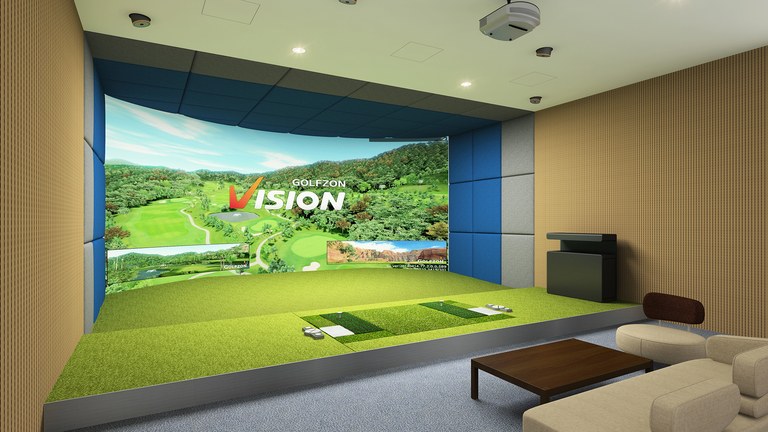
(사진설명: 골프존 시뮬레이터의 센서는 클럽을 추적해, 클럽 임팩트와 스핀을 포착해 150개 이상의 코스에서 실제와 같은 탄도를 읽어낸다.) 미국의 많은 대도시들은 엄청난 인구에도 불구하고, 골프는 여전히 커다란 미개척 시장으로 남아있다. 성공사례도 있다. Golf & Body NYC는 맨하탄 중심부에 있는 최고급 회원제 실내 골프장이다. 실내 골프 시뮬레이터는 도시가 고급화됨에 따라 점차 보편화되고 있다. 퍼블릭 실내 골프장도 그 수가 많지는 않지만 점점 늘고 있다. The Bridge, Brooklyn Greens, Golf Manhattan, Five Iron Golf and Premier Indoor Golf가 지난 5년간 문을 연 몇 안 되는 매장들이다. 뉴욕 외곽에 자리잡은 Eagle Club은 샌프란시스코 시내에 새로운 매장을 준비 중이다. 물론 극복해야 할 과제는 있다. 아직 골프 시뮬레이터가 대중화되지 않았기 때문에 한국에 비하면 그 가격이 상대적으로 비싸다. 그러나 더 많은 매장이 생긴다면 가격 역시 저렴해질 것이고, 이를 찾는 사람들도 많아질 것이다. 사업비용은 증가하겠지만, 시뮬레이터의 공급이 이를 전환시킬 수 있을 것이다. 결국 이러한 문제들을 해결하려면 시간이 필요하다. 골프 업계에서는 골프를 성장시키려면 골프가 더 저렴하고, 빨라져야 한다고 말한다. Topgolf와 골프존의 성공이 증명하듯, 진입장벽이 낮아질수록 사람들은 기꺼이 골프의 조류에 합류할 것이다. Topgolf와 달리 필요 공간이 작은 골프 시뮬레이터는 사람들에게 더 가까이 다가갈 수 있다. 또한 골프 시뮬레이터는 전통적인 골프와 유일한 징검다리를 제공한다. 골프를 치는 코스가 있고, 실제 치는 장비가 있다. 당신이 즐기는 이 스크린골프는 전통적인 골프에서 비롯된 것이 아니다. 이것은 ‘스크린골프‘ 그 자체다. 골프가 지금 세대에서 진정 번성하기 위해서는 사람들이 있는 곳으로 가야한다. 도시를 포용하고, 이를 위해 골프 시뮬레이터라는 수단을 활용해야 한다. 그래야만 다가올 세대에도 골프는 살아남을 수 있다. |
This is a simulation. (And it’s still golf!) The sport’s best grow-the-game initiative has already been discovered—golf simulators. Now it’s time to embrace them By Luke Kerr-Dineen I am what most people would probably consider a fairly typical millennial. I’m 29 and barely remember life before the Internet. I grew up in a suburb but moved to a big city as soon as I could, and I took my first loan not to pay for a house, but for graduate school. I spend too much time on my phone, hate to admit how much I love the vibe in artisanal coffee shops and—judging by the number of first-person references in the previous sentences—am largely failing at dispelling the self-absorbed stereotype. I also love golf, a thread that has run through my entire life. Golf was basically my job in high school. I played on my college team, and yearn for the summer so I can sneak off for a few rounds any time I can. I am, as I’ve been told a variety of ways in recent years, part of a generation that’s killing golf. Just like we’re killing diamonds, cereal and fabric softener—basically anything that make for a good headline. Apparently golf doesn’t align with my values, and my attention span is too short to appreciate it fully. I wish that were true, but it’s not. The reality is that when you live in a city, especially one the size of New York, it’s almost impossible to play golf with any semblance of regularity. It’s not that I don’t want to play golf. It’s that I can’t. The good news is that we’ve already solved this problem. We just haven’t done a good job appreciating it. A few months ago, a friend of mine texted me that he was in the city for the day and asked if I wanted to play golf. Finding, booking and traveling to a course from the heart of Manhattan that day for a quick round was a laughable idea. It probably would have been easier to book a trip to the moon on such short notice. Besides, I had plans later that evening anyway. I had a few spare hours, not half a day. But that’s the only golf option available to most millennials who live in big cities, as so many of them do nowadays. Unless you were lucky enough to be grandfathered into a country club—and in many cases even if you were—playing golf requires spending a small fortune to play questionable courses, a mind-numbing commute and blocking out almost an entire day for the pleasure. Luckily, my friend had a different idea: To try The Bridge Golf Center, a state-of-the-art indoor golf facility in Harlem that doubles as a free after-school program for the neighborhood’s underprivileged youth. I booked a time on my phone, and 45 minutes later, we were both standing in front of a Trackman-equipped simulator playing a round at the Belfry (we were in a Ryder Cup mood). For $35 each we got an hour at a booth, which gave us time for a warm up, 18 holes and a sneaky range session afterwards. Instantly, this place was solving all my problems with golf—and some I didn’t even know I had. I was surrounded by technology; that week’s PGA Tour event was playing on the television in the background, and I was getting instant feedback about every one of my shots, data from swing speed to carry distance and everything in between. I could plug in my handicap if I needed, video my swing if I wanted and, had I been playing with a new golfer, could’ve opted to give all their shots a “boost”—a 25 percent increase in distance, for instance, which means a 200-yard drive would travel 250 yards, designed to soften golf’s often harsh introduction. I was struck by a single thought: That this was the gold mine golf had been waiting for. For most of the game’s history, golf has been a sport confined exclusively to people with lots of time, lots of space and lots of money at their disposal—three things that will forever hamper its ability to scale, critics say. But you could look at this problem another way: It’s quite incredible, really, that golf was able to thrive at all by appealing to such a tiny minority of the population. Because it has, golf now sits on an opportunity unlike any other in sport: A giant, relatively untapped market of the population concentrated in singular locations across the country. It’s the growth proposition most sports would dream of. And that growth resides in America’s cities. Like it or not, America’s cities have become the driving force of the U.S. economy unlike ever before. Urban areas account for just 3 percent of the country’s land area yet encompasses more than 80 percent of the U.S. population, according to recent Census data, a phenomenon that consistently grows. Just in the last 10 years, large metro areas and their suburbs have grown almost 20 percent, with medium and small metro areas contributing a further 7 percent. U.S. cities also boast rises in practically every other positive economic indicator: Large cities host an ever-increasing share of U.S. businesses (32.8 percent, jumping to 58 percent when you include those based in their suburbs), which attracts not just more people but a more educated workforce (35 percent have bachelor’s degrees, 69 percent including suburbs), and have seen medium incomes rise at a faster rate as a result. Crucially, cities have also seen an accelerated rise in young professionals flocking to them as they follow the jobs. Even as that trend has slowed slightly in recent years, as older millennials also look to the suburbs, those areas are becoming increasingly dense, becoming miniature cities in themselves. Yet golf, mostly by necessity, remains a sport focused singularly on rural areas and suburbs. After all, when you need lots of spare land to build a course, why would you focus on the areas that have none? Except some forward-thinking companies have started figuring out ways around that problem. Topgolf is the most notable. All 54 of its current and planned worldwide locations are situated around cities. Its business model is designed specifically to syphon-off large numbers of people from nearby metro areas, and it’s worked. The company has experienced explosive growth in recent years and is routinely hailed as the future of golf for its ability to draw younger, new (and non-) golfers. Simulators present golf’s best key yet to unlocking the potential cities offer for the sport. Golf simulators—or screen golf, if you prefer—has experienced a boom in South Korea in recent years, a country whose populace has been first adopters on a number of mainstream technologies, from cellphones to IoT technology, eSports, robotics and beyond. An estimated 200,000 people use simulators daily in South Korea, and between 2003 and 2007, the number of golf-simulator facilities has grown more than 800 percent, from less than 300 to more than 2,500. Today, Golfzon, the most popular simulator company in the country, has installed more than 30,000 simulators worldwide and claims 55 million rounds annually. Eighty-two percent of South Korea’s population reside in cities, and with golf courses being either too expensive or too far away (usually both) the country turned to simulators, and golf is a growth industry because of it. Despite a scarcity of golf courses, the number of golfers in the country has actually increased in recent years. Golfzon hasn’t become quite as ubiquitous in Japan—it owned 40 percent of the nearly 1,000 simulators operating in that country in 2011, compared to an 89 percent market share in South Korea that same year—but the number of virtual golf bars in Japan has been growing nevertheless. Meanwhile, a 2015 report from the government-sanctioned newspaper China Daily noted that the recent rise in golf simulators has allowed the golf industry to see a 10 percent year-over-year growth in that Asian country. In the U.S., many dense cities remain a largely untapped market for golf despite their massive populations, but there have already been success stories. Golf & Body NYC has been thriving as a private, high-end indoor country club in Manhattan’s midtown. Indoor simulators are an increasingly common fixture in the growing number of luxury high rises in the city. There’s a small-but-growing number of exclusively public options now, too: The Bridge, Brooklyn Greens, Golf Manhattan, Five Iron Golf and Premier Indoor Golf are just a handful that have opened in the last five years. Outside of New York, Eagle Club Indoor Golf is in the process of upgrading to a new location in downtown San Francisco. There are, like anything, challenges to overcome. There simply aren’t many simulators, relatively speaking, at the moment, which means prices are still much higher compared to South Korea, where there are lots. Prices will start to drop the more people come through its doors, but to ensure higher volume, you need lower prices. You also need more simulators to host all that turnover, which generally means higher costs for businesses. There are ways around these problems, but they take time. The golf industry often talks about the need for a cheaper, faster experience to grow the game. If the success of Topgolf and Golfzon prove anything, it’s that people happily flood into golf when the prohibitive barriers to entry are lowered. But unlike Topgolf, golf simulators can be brought closer to people because they require less space to build. They also present a uniquely natural bridge to traditional golf: The courses people play exist, after all, the equipment people use is real, and the game you’re playing isn’t golf-inspired. It’s a simulation of golf itself. To truly thrive among today’s generation, golf needs to go where the people are. It needs to embrace its cities, and use golf simulators as its vehicle to doing so. Only then will the game thrive for generations to come. |
연관 콘텐츠